
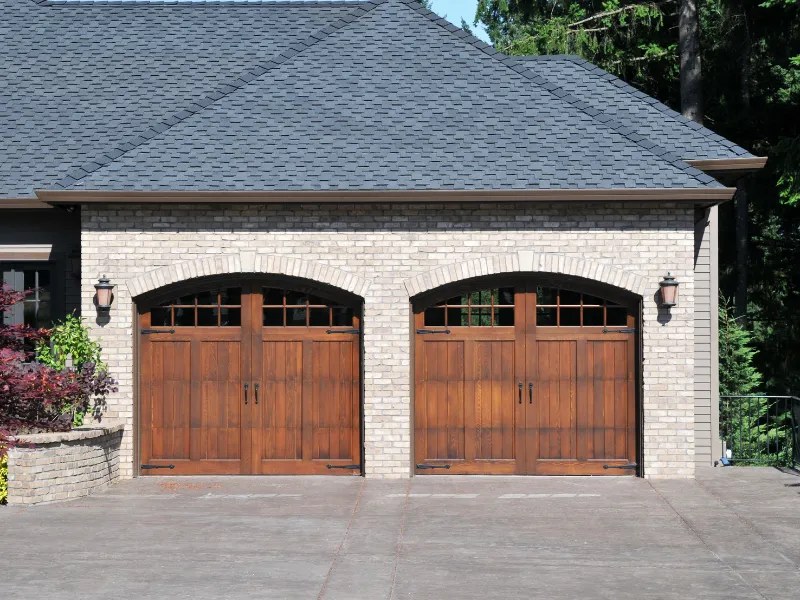
Your garage door is one of the hardest-working systems in your home. It protects vehicles, provides convenient access, and adds security to your property. However, like any mechanical system, wear and tear can eventually lead to malfunctions. Understanding common garage door problems can help homeowners identify issues early and prevent costly repairs.
When a garage door not working situation happens unexpectedly, it can quickly disrupt your day and compromise safety. From strange noises and uneven movement to broken springs and garage door opener problems, knowing what to look for can save time and frustration.
This guide explores the most frequent garage door issues, what causes them, and how homeowners can safely address minor problems before they become major repairs.
Why Garage Door Problems Should Never Be Ignored
Garage doors are made up of multiple moving parts, including springs, tracks, rollers, cables, sensors, and openers. Even a small malfunction can impact overall performance.
Ignoring signs your garage door needs repair may lead to:
- Safety hazards
- Unexpected breakdowns
- Expensive repairs
- Reduced home security
- Increased wear on other components
Routine inspections and timely maintenance can extend the lifespan of your garage door system and improve reliability.
1. Garage Door Not Opening or Closing Properly
One of the most frustrating common garage door problems homeowners face is a door that refuses to open or close completely.
Possible Causes
Several issues may be responsible for a garage door not working, including:
- Dead remote batteries
- Misaligned sensors
- Blocked tracks
- Broken springs
- Opener malfunctions
How to Fix It
Start with basic troubleshooting:
- Replace batteries in the remote
- Check for obstructions near the tracks
- Inspect the sensor alignment
- Ensure the opener is plugged in
If the door still fails to operate, professional service may be necessary to inspect internal mechanical parts.
2. Garage Door Opener Problems
Modern garage doors rely heavily on automatic systems, making garage door opener problems a common homeowner concern.
Signs of Opener Trouble
Common symptoms include:
- Door not responding to the remote
- Delayed movement
- Opener motor running without movement
- Intermittent operation
Common Causes
The issue may involve:
- Worn gears
- Power interruptions
- Faulty wiring
- Signal interference
- Programming issues
How to Fix It
Before calling for repairs:
- Check the power source.
- Replace remote batteries.
- Reprogram the remote if necessary.
- Reset the opener according to the manufacturer’s instructions.
Persistent garage door opener problems may require replacement parts or professional diagnosis.
3. Garage Door Sensor Problems
Among the most overlooked garage door issues are malfunctioning sensors. Safety sensors are designed to stop the door from closing if an object, pet, or person is in the way.
Common Signs of Garage Door Sensor Problems
You may notice:
- Door reversing unexpectedly
- Flashing sensor lights
- Door refusing to close
- Inconsistent performance
What Causes Sensor Problems?
Common causes include:
- Dirt or dust buildup
- Sensor misalignment
- Damaged wiring
- Sun glare interference
- Physical damage to the sensor
How to Fix Garage Door Sensor Problems
Fortunately, many garage door sensor problems are simple to address.
Try these steps:
- Clean the sensor lenses with a soft cloth
- Remove nearby obstructions
- Check if both sensors face each other properly
- Tighten loose brackets
If the issue continues, wiring or electrical damage may require professional repair.
4. Loud or Unusual Garage Door Noises
Garage doors naturally make some sound, but excessive noise often signals trouble.
Common Sounds and What They Mean
- Grinding sounds may indicate worn rollers or opener issues.
- Squeaking noises often suggest dry moving parts.
- Banging or popping sounds can point to spring problems.
How to Fix It
Routine maintenance can help reduce noise:
- Lubricate rollers, hinges, and tracks
- Tighten loose hardware
- Replace worn rollers
- Schedule spring inspections
Unusual sounds are often early signs your garage door needs repair, so it is best not to ignore them.
5. Broken Garage Door Springs
Broken springs are among the most serious common garage door problems.
Garage door springs handle the heavy lifting required to open and close the system safely. When a spring breaks, the door may suddenly stop functioning.
Signs of a Broken Spring
Watch for:
- Loud snapping sounds
- Door opening unevenly
- Door feeling extremely heavy
- Visible gaps in the spring
Can You Fix It Yourself?
Garage spring repair is not considered a safe DIY task. Springs are under extreme tension and can cause injury if handled improperly.
Professional replacement is strongly recommended.
6. Uneven Garage Door Movement
If your garage door appears crooked or shakes while moving, you may be dealing with structural or mechanical garage door issues.
Common Causes
Uneven movement may happen because of:
- Broken cables
- Damaged tracks
- Misaligned rollers
- Spring imbalance
How to Fix It
Inspect visible parts for signs of damage or looseness.
Avoid forcing the door to operate, as this can worsen damage. A professional inspection can identify whether cables, tracks, or springs need adjustment.
7. Garage Door Off Track
Garage doors rely on metal tracks to open and close smoothly. If the rollers leave the track, the system may stop functioning entirely.
Signs the Door Is Off Track
You may notice:
- Crooked movement
- Visible gaps between rollers and tracks
- Grinding noises
- Door getting stuck halfway
Common Causes
- Accidental impact from a vehicle
- Loose hardware
- Bent tracks
- Roller damage
What to Do
Avoid operating the door, as continued use can worsen the issue.
Minor alignment problems may be fixable, but severely bent tracks often require professional repair.
8. Remote Control Stops Working
Sometimes homeowners think they have major garage door opener problems when the issue is simply a faulty remote.
Quick Fixes
Try:
- Replacing batteries
- Resetting the remote system
- Checking range limitations
- Reprogramming the device
If wall controls work but remotes do not, the issue is likely isolated to the transmitter.
Signs Your Garage Door Needs Repair
Not all garage door failures happen suddenly. Recognizing signs your garage door needs repair early can prevent emergencies.
Pay attention to warning signs such as:
- Slow operation
- Jerky or uneven movement
- Loud noises
- Sagging sections
- Delayed response time
- Frequent reversals
- Visible wear on cables or springs
Even small issues can grow into larger repairs if ignored.
Preventing Common Garage Door Problems
The best way to reduce common garage door problems is through preventative maintenance.
1. Inspect Components Regularly
Check:
- Springs
- Tracks
- Rollers
- Cables
- Hinges
- Sensors
2. Keep Moving Parts Lubricated
Use garage-door-safe lubricant on moving components to reduce friction and wear.
3. Test Safety Features
Periodically test auto-reverse functions and sensors to confirm proper operation.
4. Schedule Professional Tune-Ups
Annual inspections help catch small garage door issues before they become expensive repairs.
When to Call a Professional
While some minor troubleshooting is safe for homeowners, certain repairs should always be left to professionals.
Call a technician if you notice:
- Broken springs
- Frayed cables
- Electrical opener issues
- Severe track damage
- Persistent garage door sensor problems
Professional service ensures safe repairs and proper operation.
Final Thoughts
Understanding common garage door problems can help homeowners respond quickly when issues arise. Whether you are dealing with a garage door not working, unusual noises, broken springs, or garage door opener problems, early attention can prevent bigger headaches later.
Recognizing signs your garage door needs repair and addressing small maintenance concerns can improve safety, convenience, and long-term performance. With proper care and timely repairs, your garage door can continue operating smoothly and reliably for years to come.